Research & Strategy: Turning 150 Years of Legacy into a Living Brand
Client:Üsküdar American Academy
Categories: Strategy
Research: 450+ Participants · Interviews · Focus Groups · Surveys · Digital Audit
Output: Brand Strategy · Messaging System · Content Framework · Communication Guide· Social Media Strategy
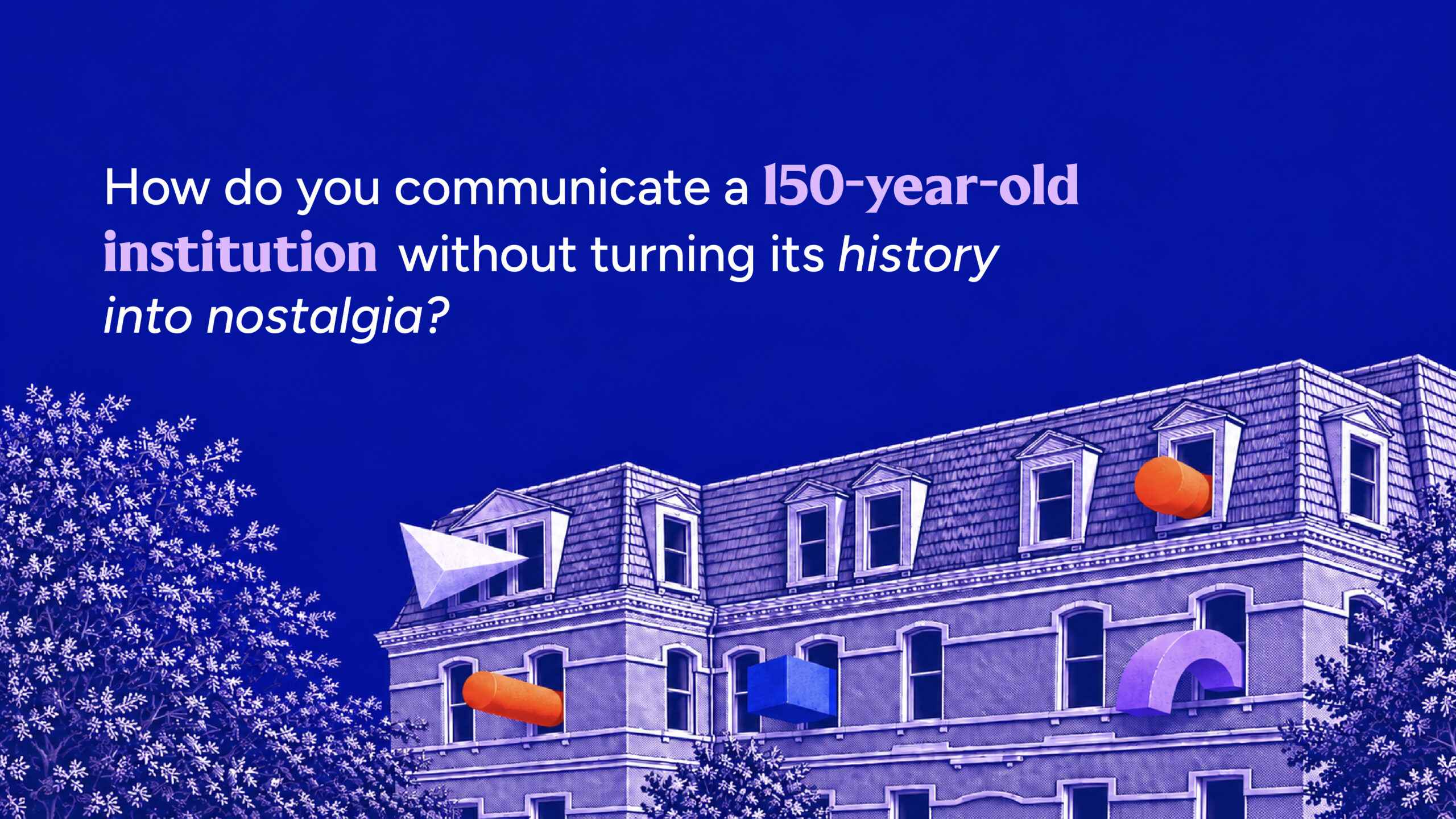
How do you communicate a 150-year-old institution without turning its history into nostalgia?
Üsküdar American Academy had something most brands spend decades trying to build: a strong culture, generations of shared memories and a community with a deep sense of belonging.
The challenge wasn’t to create a new identity. It was to understand what had made UAA UAA for 150 years — and find a way to carry it forward.
We started by listening.
Our work with Üsküdar American Academy began not with a content calendar, but with research. We reviewed the school’s existing communications and historical materials, audited a full year of social media content, analyzed platform performance across Instagram, LinkedIn, YouTube and the website, and benchmarked UAA against other leading high schools. This initial audit allowed us to look beyond individual posts and identify the larger patterns shaping the school’s digital presence.
But a 150-year-old institution cannot be understood through digital analytics alone.
We expanded the research into the UAA community itself, combining one-on-one stakeholder interviews, focus groups and quantitative surveys with students, parents and alumni from different generations. More than 450 survey responses were evaluated alongside qualitative conversations, allowing us to compare how UAA is experienced from inside the school, remembered after graduation and perceived by families.
The objective was not to manufacture a new identity for UAA. It was to uncover the identity that was already there.
We looked for recurring perceptions, emotional associations, cultural codes, tensions and shared memories. We examined how ideas such as academic excellence, belonging, resilience, global outlook, tradition and community changed across generations and stakeholder groups. Just as importantly, we studied where these perceptions aligned — and where they contradicted one another. The result was a much richer understanding of UAA than a conventional social media audit could provide.
From Brand Research to Communication Strategy
Research only becomes valuable when it changes what a brand does.
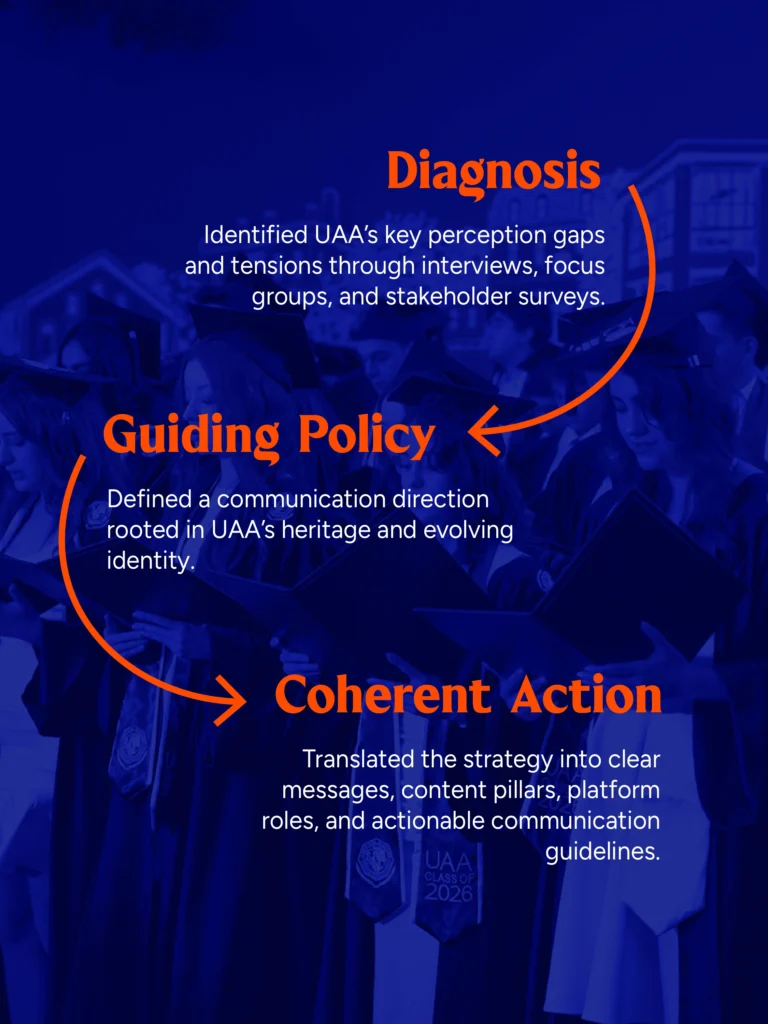
Using the findings, we developed a strategic framework inspired by Richard Rumelt’s diagnosis → guiding policy → coherent action approach. Instead of treating communication as a collection of isolated campaigns, we established a system for deciding what UAA should communicate, why it matters, whom it should speak to and how those decisions should translate across channels.
We then transformed that strategy into a practical UAA Communication Guide: a working framework designed to guide everyday decisions across messaging, storytelling, visual language, content development and platform strategy.
This meant translating research into communication principles, message hierarchies, audience considerations, content territories and channel-specific approaches — creating a shared strategic foundation that could be used by the school, its internal teams and its creative partners.
The result is not simply a social media strategy.
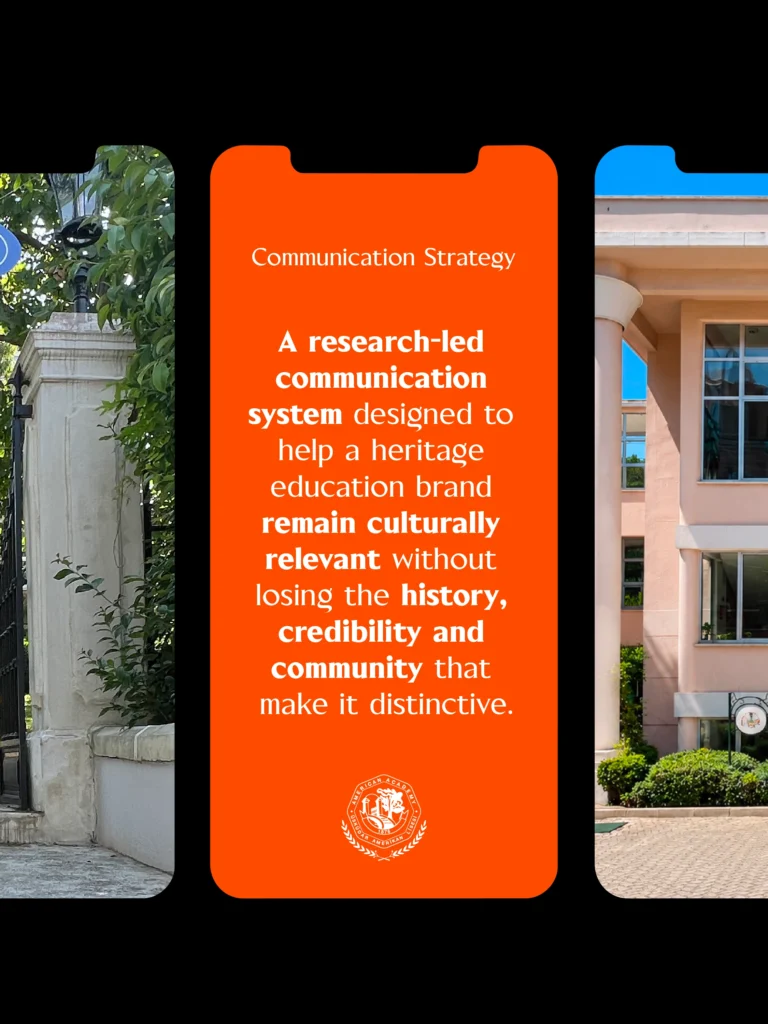
It is a research-led communication system designed to help a heritage education brand remain culturally relevant without losing the history, credibility and community that make it distinctive.
For us, that distinction is fundamental: we don’t start by asking what a brand should post. We start by understanding what the brand should mean.